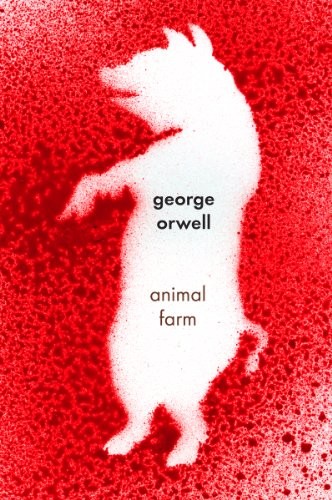
How it was received Early reviews were mixed, with some critics finding the allegory clumsy while others praised its satire; it later won a Retrospective Hugo Award, made Time's 100 best English-language novels and the Modern Library's top 20th-century list, and was voted the UK's favorite school book in 2016, though it has also faced repeated bans and challenges worldwide. — Wikipedia
Ending signals — verified, spoiler-light. Tap a question to see only that answer.
Is the ending happy?
TragicDoes it end on a cliffhanger?
NoIs the romance resolved?
No central romanceDo major characters die?
YesHow does Animal Farm end?
By the end of the novel, Napoleon has consolidated total power over Animal Farm. Snowball, once his rival and co-leader of the rebellion, has long since been driven out and turned into a scapegoat blamed for every hardship, sabotage, and setback on the farm. Boxer, the loyal and hardworking horse, collapses from exhaustion while laboring on the windmill and is sold off to a knacker (horse slaughterer) so that Napoleon and the other pigs can buy whisky; the animals are told a fabricated story that he died peacefully in a hospital, and Squealer stages a mournful tribute to cover up the truth.
Years pass. The farm becomes more prosperous, with two windmills eventually completed and generating income, but none of the original revolutionary ideals survive. The Seven Commandments of Animalism have been secretly rewritten and whittled down over time until only one remains, altered to read: "All animals are equal, but some animals are more equal than others." The pigs have adopted a fully human lifestyle: they walk on two legs, wear clothes, carry whips, sleep in beds, and drink alcohol, while the other animals continue to labor under harsh conditions and false propaganda from Squealer insisting they are better off than they were under the human farmer Mr. Jones (who has since died in an inebriates' home).
The story closes with Napoleon hosting a dinner and card game at the farmhouse with neighboring human farmers, having renamed the property back to "Manor Farm" and abolished the revolutionary rituals and songs. He announces to his human guests that the ordinary animals now work longer hours on less food, a policy the human farmers praise and say they'll adopt themselves. The other animals, excluded from the party, gather outside and peer through the window at the scene.
As the humans and pigs play cards together, an argument breaks out because both sides are caught cheating, and shouting erupts inside. The animals watching from outside look from pig to man and man to pig, trying to tell them apart, and find that they can no longer distinguish one from the other — the pigs have become indistinguishable from the human oppressors the animals originally rebelled against. The novel ends on this image, with the revolution's ideals completely betrayed and the farm's underclass left in the same, or worse, position than before the rebellion began.
✓ Fact-verified against independent sources
Reception summary adapted from Wikipedia, CC BY-SA 4.0.